
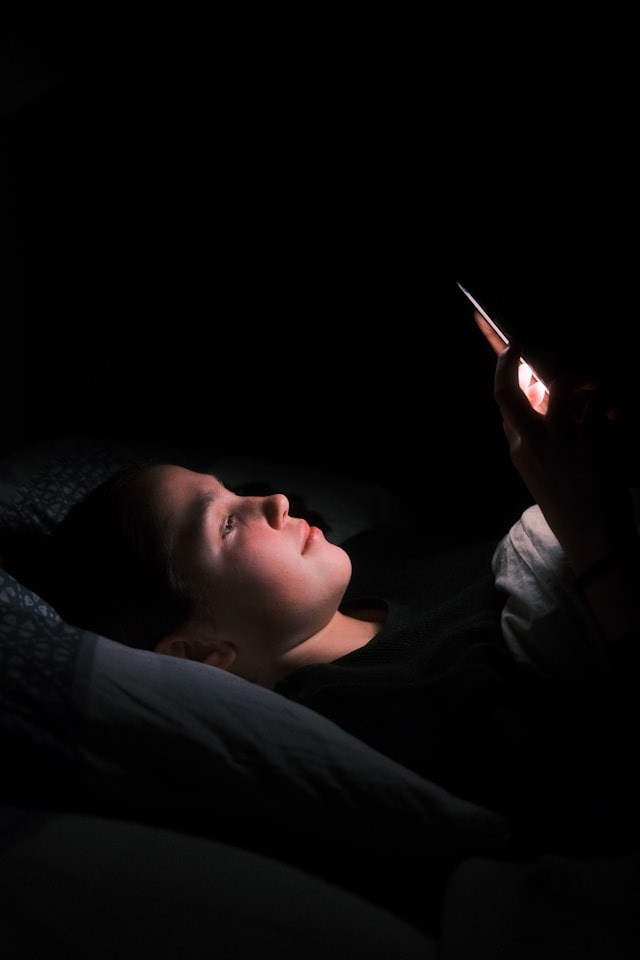
Stop Doing This at Night – It’s Destroying Your Health
Many people focus on what they do during the day to stay healthy—eating right, exercising, and staying hydrated. However, what you do at night can be just as important, if not more. Certain nighttime habits may seem harmless, but over time, they can silently damage your health, reduce your energy levels, and even increase your risk of serious illnesses.
If you often wake up tired, feel stressed, or struggle with your health despite your efforts, your nighttime routine might be the problem. In this article, we will uncover the most dangerous habits you need to stop doing at night and what to do instead.
1. Using Your Phone Before Bed
Scrolling through social media or watching videos before sleep is one of the most common habits today. Unfortunately, it is also one of the most harmful.
The blue light emitted from your phone suppresses melatonin, the hormone responsible for sleep. This makes it harder for your body to relax and fall asleep.
According to sleep research from the Sleep Foundation, exposure to blue light before bedtime can significantly disrupt sleep patterns.
What to do instead: Avoid screens at least 30–60 minutes before bed. Try reading a book or listening to calm music. Read also: You may damage your eyes without knowing
2. Eating Heavy Meals Late at Night
Eating late at night, especially heavy or spicy meals, can interfere with digestion and sleep quality. Your body needs time to properly digest food, and lying down immediately after eating can cause discomfort and acid reflux.
Over time, this habit can contribute to weight gain and digestive problems.
What to do instead: Eat dinner at least 2–3 hours before bedtime. If you’re hungry later, choose light snacks like fruits or yogurt. Read also: Unhealthy habits among Nigerians
3. Drinking Too Much Caffeine
Many people drink coffee, tea, or energy drinks in the evening without realizing how long caffeine stays in the body. Caffeine can remain active for up to 6–8 hours, making it difficult to fall asleep.
The Centers for Disease Control and Prevention (CDC) recommends avoiding caffeine later in the day to improve sleep quality. Explore on: The Hidden Danger in Energy Drinks
What to do instead: Limit caffeine intake after 2 PM and switch to herbal teas at night.
4. Skipping Sleep or Sleeping Too Late
Going to bed late or not getting enough sleep is one of the most damaging habits. Sleep is essential for your body to repair itself, boost immunity, and support brain function.
Chronic sleep deprivation can lead to serious health problems such as high blood pressure, diabetes, and weakened immunity.
What to do instead: Aim for 7–9 hours of sleep every night and maintain a consistent sleep schedule.
5. Overthinking and Stressing at Night
Nighttime is when many people begin to overthink—worrying about finances, work, or personal issues. This mental stress can increase cortisol levels, making it harder to relax and sleep.
Over time, chronic stress can affect both mental and physical health.
What to do instead: Practice relaxation techniques such as deep breathing, prayer, journaling, or meditation before bed. Read also: Causes of Depression in School
6. Sleeping with Lights On
Sleeping with lights on or in a bright environment can interfere with your body’s natural sleep cycle. Darkness helps your body produce melatonin and improves sleep quality.
What to do instead: Turn off lights or use dim lighting. Make your room as dark and comfortable as possible. Explore more on: Health Dangers of Constant of phone at night
7. Using Alcohol to Fall Asleep
Some people believe alcohol helps them sleep better, but this is a myth. While alcohol may make you feel sleepy initially, it disrupts deep sleep and reduces sleep quality.
According to research from the Sleep Foundation, alcohol negatively affects the sleep cycle and can cause frequent waking.
What to do instead: Avoid alcohol before bedtime and choose healthier sleep routines.
8. Ignoring Your Sleep Environment
Your bedroom environment plays a major role in your sleep quality. Noise, heat, or an uncomfortable mattress can prevent you from getting proper rest.
What to do instead: Keep your room cool, quiet, and comfortable. Invest in good bedding if possible.
Why These Habits Are Dangerous
These nighttime habits may seem small, but they can have serious long-term effects on your health. Poor sleep is linked to:
- Weakened immune system
- Weight gain and obesity
- Mental health issues like anxiety and depression
- Reduced productivity and focus
Making simple changes to your nighttime routine can significantly improve your overall health and quality of life.
Healthy Night Routine You Should Start Today
If you want to improve your health, start with these simple habits:
- Set a fixed bedtime
- Avoid screens before sleep
- Eat early and light meals
- Create a calm sleeping environment
- Relax your mind before bed
Consistency is key. The more you follow a healthy routine, the better your body will respond.
Final Thoughts
Your nighttime habits can either build your health or destroy it. Many people ignore these habits because they seem harmless, but over time, they can lead to serious health problems.
Start making small changes today. Avoid harmful nighttime behaviors and replace them with healthy routines. Your body will thank you with better sleep, improved energy, and overall well-being.
Remember: Good health doesn’t only depend on what you do during the day—it also depends on what you stop doing at night.
