
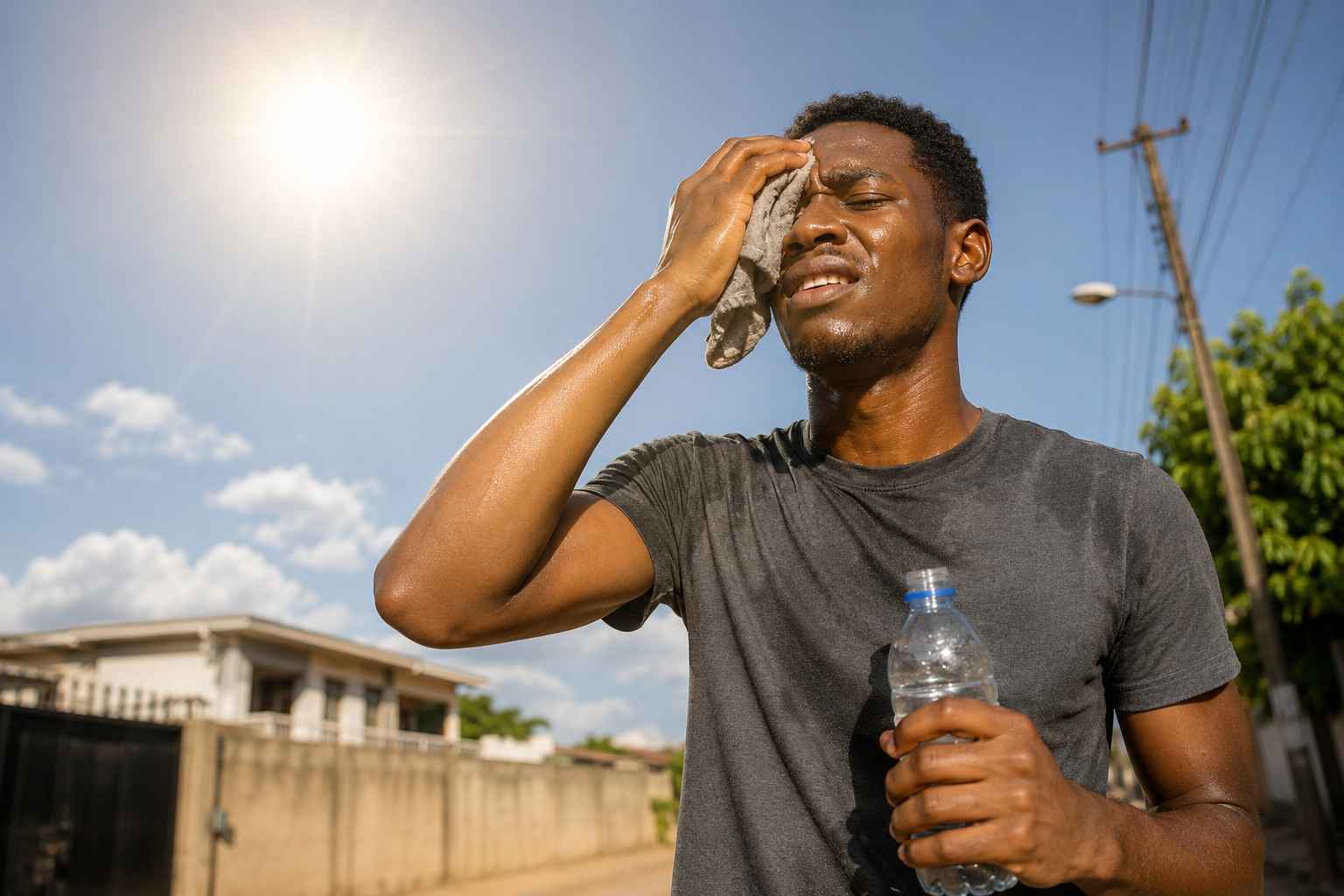
Health Benefits and Dangers of Excessive Sun and Heat Exposure
In many parts of the world, especially in tropical countries like Nigeria, the weather can become extremely hot during certain periods of the year. Many people often complain about the intense heat from the sun, sweating, dehydration, and discomfort during the daytime. However, while excessive heat can cause several health problems, sunlight itself also has important benefits for the human body.
Understanding both the benefits and disadvantages of sunlight and heat exposure is important for maintaining good health. Moderate exposure to sunlight can improve physical and mental wellbeing, but too much heat or prolonged exposure to direct sunlight can become dangerous.
This article explains the major health benefits of sunlight, the disadvantages of excessive heat exposure, and practical ways to stay safe during hot weather conditions.
Health Benefits of Sunlight
1. Sunlight Helps the Body Produce Vitamin D
One of the most important benefits of sunlight is that it helps the body produce Vitamin D naturally. Vitamin D is essential for healthy bones and teeth because it helps the body absorb calcium properly.
People who do not get enough sunlight may develop Vitamin D deficiency, which can lead to weak bones, muscle pain, fatigue, and weakened immunity.
According to the UK National Health Service (NHS), moderate exposure to sunlight is one of the best natural ways to maintain healthy Vitamin D levels.
2. Improves Mood and Mental Health
Exposure to natural sunlight may improve mood and emotional wellbeing. Sunlight can help the brain release serotonin, a hormone associated with happiness and relaxation.
People who spend too much time indoors sometimes experience sadness, low energy, or mood swings due to lack of sunlight exposure.
Morning sunlight is particularly beneficial because it helps people feel more active and refreshed throughout the day.
3. Supports Better Sleep
Sunlight also helps regulate the body’s internal clock, commonly known as the sleep-wake cycle. Exposure to early morning sunlight can improve nighttime sleep quality.
Individuals who spend time outdoors during the day often sleep better at night compared to those who remain indoors most of the time.
4. May Improve Blood Circulation
Some studies suggest that moderate sunlight exposure may help improve blood circulation and support cardiovascular health. Warm temperatures can help blood vessels relax and improve blood flow throughout the body.
However, moderation is very important because too much heat may place stress on the heart and body.
5. Encourages Outdoor Physical Activity
Sunny weather often encourages people to engage in outdoor activities such as walking, exercising, sports, and social gatherings. Physical activity helps maintain a healthy body weight and reduces the risk of several health conditions. How raw onion can boost immune system
Dangers and Disadvantages of Excessive Heat Exposure
1. Dehydration
One of the biggest dangers of excessive heat is dehydration. During hot weather, the body loses fluids through sweating. If these fluids are not replaced by drinking enough water, dehydration may occur.
Common symptoms of dehydration include:
- Dry mouth
- Headache
- Dizziness
- Weakness
- Dark urine
- Extreme thirst
The Centers for Disease Control and Prevention (CDC)
warns that dehydration during extreme heat can become dangerous if not treated quickly.
2. Heat Exhaustion
Heat exhaustion occurs when the body becomes overheated after prolonged exposure to high temperatures. It is common among people who stay under direct sunlight for long periods without enough water or rest.
Symptoms of heat exhaustion include:
- Heavy sweating
- Nausea
- Weakness
- Muscle cramps
- Fainting
- Rapid heartbeat
If not treated, heat exhaustion may develop into heatstroke, which is a serious medical emergency.
3. Sunburn and Skin Damage
Staying under harsh sunlight for too long can damage the skin. Ultraviolet (UV) rays from the sun may cause sunburn, premature aging, and skin irritation.
People with sensitive skin are more likely to experience redness, pain, or peeling after prolonged exposure to the sun.
4. Fatigue and Reduced Productivity
Extremely hot weather can make people feel tired and uncomfortable. High temperatures often reduce concentration and productivity, especially for people who work outdoors or in poorly ventilated environments.
Excessive heat may also increase irritability and stress levels.
5. Increased Risk for Vulnerable Individuals
Children, elderly individuals, pregnant women, and people with existing medical conditions are more vulnerable during extreme heat.
Conditions such as high blood pressure, asthma, and heart disease may worsen during periods of intense heat. Read about: Does money cure sickness, The Truth about wealth and health
How to Stay Safe During Hot Weather
Drink Plenty of Water
Water is essential during hot weather. Even if you do not feel thirsty, drinking water regularly helps prevent dehydration.
Avoid Excessive Sun Exposure
Try to avoid staying under direct sunlight between late morning and afternoon when temperatures are usually highest.
Wear Light Clothing
Loose and light-colored clothes help the body stay cool and reduce discomfort during hot weather.
Eat Balanced Meals
Skipping meals during hot weather may increase weakness and tiredness. Fruits, vegetables, and foods containing water can help maintain hydration.
Rest in Cool Places
Spending time in shaded or ventilated areas helps reduce the risk of overheating.
Conclusion
Sunlight and hot weather are not entirely bad. In fact, moderate exposure to sunlight provides several important health benefits, including Vitamin D production, improved mood, and better sleep quality.
However, excessive heat exposure can become harmful and may lead to dehydration, heat exhaustion, fatigue, and skin damage. The key is moderation and proper protection during hot weather conditions.
By drinking enough water, avoiding excessive sun exposure, eating healthy meals, and staying cool, people can enjoy the benefits of sunlight while reducing the risks associated with extreme heat. Read more on: Drinking cold water after meal: harmful or myth?
