
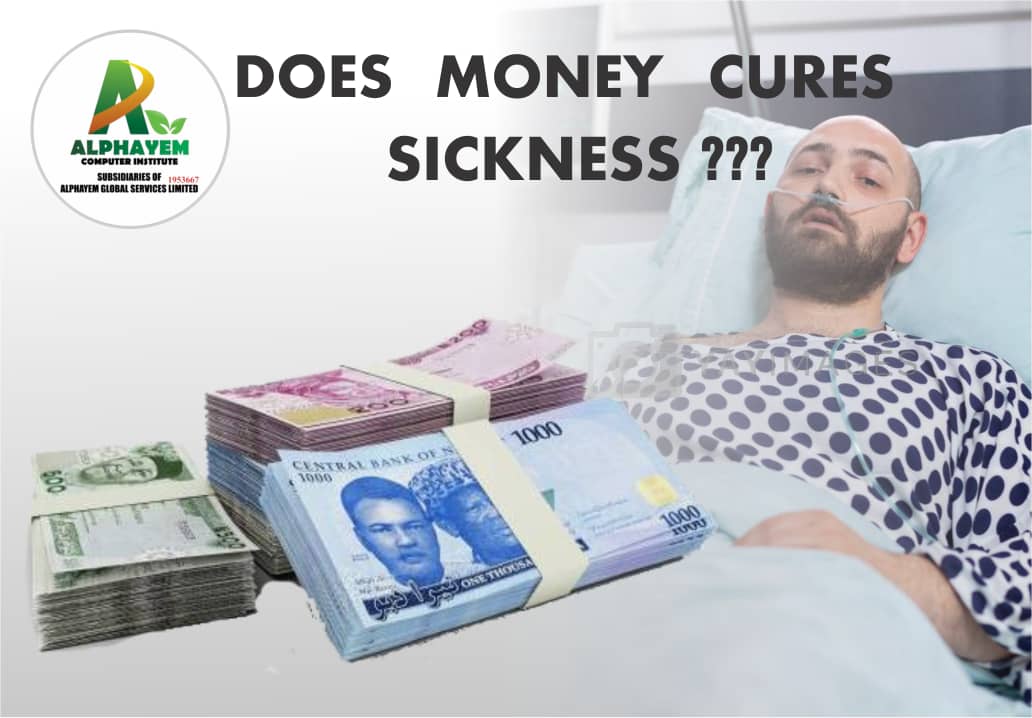
Does Money Cure Sickness? A Deep Look at Health, Wealth, and Survival
One of the most debated questions in society today is simple yet complex: does money cure sickness? Many people assume that wealth guarantees good health, while others insist that money has little influence on survival. The reality is more nuanced.
Money does not directly cure diseases. It cannot replace the biological and medical processes required for healing. However, it plays a powerful and often decisive role in determining whether a person receives timely treatment, quality care, and the necessary support for recovery. How raw onion can boost immune system
In countries like Nigeria, where access to healthcare can vary widely depending on financial status, the connection between money and health outcomes becomes even more visible.
What Actually Cures Sickness?
Diseases are cured through medical intervention, not money itself. Treatments such as medication, surgery, therapy, and preventive healthcare are what restore health. For instance, : Some Sickness can be treated effectively with antimalarial drugs, while some requires proper antibiotics and hydration.
However, accessing these treatments is often tied to financial capability. Without money, patients may delay seeking care, rely on ineffective remedies, or avoid hospitals entirely. This delay can turn minor illnesses into life-threatening conditions.
The Critical Role of Money in Healthcare
1. Access to Quality Medical Facilities
One of the most obvious ways money influences health is through access to better hospitals and clinics. Well-funded healthcare facilities offer modern equipment, skilled professionals, and faster services. Patients with financial resources can choose private hospitals or even seek treatment abroad, improving their chances of survival.
2. Early Diagnosis and Preventive Care
Preventive healthcare is often overlooked, yet it is one of the most effective ways to avoid serious illness. Routine check-ups, laboratory tests, and screenings require money but help detect diseases early. For example, early detection of sickness significantly increases survival rates.
Without financial resources, many people only visit hospitals when symptoms become severe, reducing the chances of successful treatment.
3. Ability to Afford Medication and Treatment
Many diseases require continuous treatment. Conditions like deadly diseases demand lifelong management through medication, monitoring, and proper diet. The cost of insulin, diagnostic tests, and consultations can be overwhelming for low-income patients.
In such cases, money does not cure the disease but makes it manageable and prevents complications.
4. Better Nutrition and Living Conditions
Recovery from illness is not just about medication. Proper nutrition, clean water, and a healthy living environment play crucial roles in healing. People with financial stability can afford balanced diets, clean housing, and sanitation—all of which contribute to better health outcomes. Read also: How drinking enough water improves your body system
When Money Can Save Lives
There are many situations where money indirectly saves lives by enabling access to proper care. Treatable diseases such as malaria and typhoid often become fatal when patients cannot afford treatment.
In more serious conditions like cancer, financial resources allow patients to undergo surgery, chemotherapy, and advanced treatments. These interventions significantly improve survival rates.
Emergency situations also highlight the importance of money. Access to urgent medical care, ambulance services, and intensive care units often depends on a patient’s ability to pay.
When Money Has Its Limits
Despite its importance, money cannot solve every health problem. Some diseases remain incurable regardless of financial status. For example, HIV/AIDS currently has no known cure, although treatments can help manage symptoms.
Similarly, certain genetic disorders cannot be completely cured, even with advanced and expensive medical interventions. In such cases, money can improve comfort and quality of life but cannot eliminate the disease.
This highlights an important truth: wealth can extend life and improve care, but it cannot guarantee immortality or perfect health.
The Influence of Lifestyle on Health
While money plays a major role, lifestyle choices are equally important. Factors such as diet, physical activity, sleep, and stress management significantly influence health outcomes.
Conditions like : heart diseases are often linked to lifestyle habits. Even wealthy individuals can suffer severe health problems if they neglect healthy living.
On the other hand, individuals with modest financial means can maintain good health by adopting preventive measures and healthy habits. This shows that money alone is not the ultimate determinant of health. Read also: The hidden Health risk of energy drinks
Healthcare Inequality in Nigeria
In Nigeria, access to healthcare is often influenced by socioeconomic status. Urban areas tend to have better-equipped hospitals, while rural communities may lack basic medical facilities. The cost of treatment can also be a barrier for many families.
Organizations such as World Health Organization (WHO) and UNICEF continue to advocate for improved healthcare systems and affordable treatment options in developing countries.
Government initiatives like health insurance schemes aim to bridge this gap, but challenges remain. Ensuring equal access to healthcare requires continuous investment, policy reforms, and public awareness.
Can Money Buy Good Health?
Money can buy access to healthcare, but it cannot buy health itself. True health depends on a combination of factors, including medical care, lifestyle, environment, genetics, and sometimes chance.
Wealthy individuals may have advantages in accessing treatment, but they are not immune to illness. Likewise, people with limited resources can still achieve good health through preventive care and healthy living.
Balancing Wealth and Wellness
The ideal approach to health is a balance between financial preparedness and personal responsibility. Saving for medical emergencies, investing in health insurance, and prioritizing regular check-ups are essential steps.
At the same time, maintaining a healthy lifestyle—eating well, exercising regularly, and managing stress—can reduce the risk of many diseases and improve overall well-being.
Final Verdict: Does Money Cure Sickness?
The answer is clear: money does not directly cure sickness, but it plays a critical role in the process of healing. It determines access to care, quality of treatment, and the speed of recovery.
In many situations, money can mean the difference between life and death. However, it is not a substitute for healthy living, medical knowledge, or effective healthcare systems.
Ultimately, the best approach is to combine financial stability with preventive care and healthy habits. This balanced strategy offers the greatest chance of living a long and healthy life. Read also: Unhealthy habitts among Nigerians
Image Description: A visual comparison of a modern hospital with advanced equipment and a poorly equipped rural clinic, highlighting how financial resources affect healthcare access and patient outcomes.
