
You May Be Damaging Your Eyes Without Knowing It 👀
Most people use their eyes every single second of the day but rarely think about protecting them until a problem starts.
From staring at phones for long hours to poor sleeping habits, many daily activities may quietly affect your eyesight without you realizing it.
In today’s digital world, students, workers, gamers, and even children spend more time looking at screens than ever before.
Unfortunately, many of the habits we now consider normal may gradually place stress on our eyes.
The scary part is that some of these habits do not cause immediate pain.
The effects can build slowly over time, making people ignore warning signs until discomfort becomes serious.
The good news is that many eye-related problems can be reduced or prevented with better habits and proper awareness.
1. Excessive Screen Time
One of the biggest causes of eye strain today is excessive screen exposure.
Whether it is a smartphone, laptop, television, or tablet, staring at screens for long periods forces the eyes to work harder.
Many people spend:
- Several hours scrolling social media
- Watching movies late at night
- Playing games continuously
- Studying with digital devices
- Working on computers daily
Long screen exposure may lead to symptoms such as:
- Blurred vision
- Dry eyes
- Headaches
- Eye discomfort
- Difficulty focusing
- Eye fatigue
This condition is commonly known as digital eye strain or computer vision syndrome.
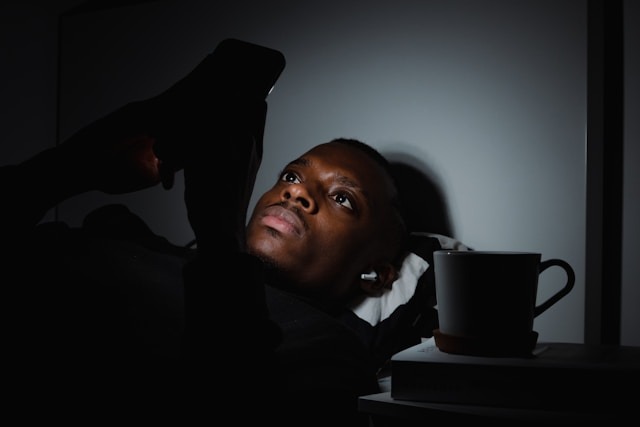
2. Using Your Phone in the Dark
Many people enjoy scrolling through their phones at night with the room lights turned off.
Although it may feel comfortable, constantly exposing your eyes to bright screens in darkness can increase strain on the eyes.
When the surrounding environment is dark, the eyes work harder to adjust between the bright screen and the dark background.
This can contribute to discomfort, irritation, and headaches for some people.
Reducing screen brightness and using proper room lighting can help reduce strain during nighttime phone use.
3. Not Sleeping Enough
Sleep is important for the entire body, including the eyes.
Lack of proper rest may cause:
- Eye twitching
- Red eyes
- Dryness
- Poor concentration
- Blurred vision temporarily
Students and young adults often stay awake late into the night studying, streaming videos, or chatting online.
Over time, poor sleep habits may affect overall eye comfort and health.
Read also: Studying all Night? Poor sleep effects
4. Rubbing Your Eyes Frequently
Many people rub their eyes aggressively whenever they feel tired or itchy.
While occasional rubbing may seem harmless, excessive rubbing can irritate sensitive eye tissues.
Dirty hands may also transfer bacteria or germs into the eyes, increasing the risk of infections.
If your eyes constantly itch or feel irritated, it may be better to:
- Wash your face with clean water
- Rest your eyes
- Reduce screen exposure
- Consult an eye specialist if symptoms continue
5. Ignoring Eye Problems
One major mistake many people make is ignoring early warning signs.
Symptoms such as:
- Frequent headaches
- Difficulty seeing clearly
- Sensitivity to light
- Double vision
- Persistent redness
should not always be ignored.
Some people continue struggling with poor vision for years without proper eye examinations.
Regular eye checks can help detect certain issues earlier.
6. Poor Lighting While Reading
Reading in extremely dim light may not permanently damage the eyes directly, but it can increase strain and discomfort.
When lighting is poor, the eyes work harder to focus on text, which may lead to:
- Tired eyes
- Headaches
- Temporary blurry vision
- Difficulty concentrating
Using proper lighting while reading or studying can make visual tasks more comfortable.
7. Not Taking Breaks During Screen Use
Some people spend hours on phones or computers without resting their eyes.
This constant focus on close objects can overwork the eye muscles.
A popular recommendation for reducing digital eye strain is the 20-20-20 rule:
Every 20 minutes, look at something about 20 feet away for at least 20 seconds.
Simple habits like this may help relax the eyes during long study or work sessions.
8. Wearing Incorrect Glasses
Using the wrong prescription glasses may increase eye discomfort and headaches.
Some people buy glasses without professional testing simply because they think it looks fashionable.
Wearing lenses that do not match your vision needs may create unnecessary stress for your eyes.
Proper eye examinations help determine the correct prescription if glasses are needed.
9. Poor Diet and Hydration
What you eat can also affect eye health.
A balanced diet containing important nutrients may support healthy vision.
Read also: Unhealthy habits among Nigerians
Foods often associated with eye health include:
- Carrots
- Leafy vegetables
- Fish
- Eggs
- Fruits
Drinking enough water is also important because dehydration may contribute to dry eyes in some people.
10. Spending Too Much Time Indoors
Modern lifestyles keep many people indoors for most of the day.
Some studies suggest that outdoor activities may support healthy eye development, especially in children.
Fresh air, balanced activities, and reduced nonstop screen exposure can be beneficial for overall wellness.
Simple Ways to Protect Your Eyes
Protecting your eyes does not always require complicated steps.
Small daily habits can make a difference over time.
- Reduce excessive screen time
- Take regular breaks while using devices
- Sleep properly
- Use proper lighting while reading
- Stay hydrated
- Avoid rubbing your eyes excessively
- Visit an eye specialist when necessary
- Wear sunglasses outdoors when appropriate
Final Thoughts
Your eyes are among the most important organs in your body, yet many people unknowingly stress them every day through unhealthy habits.
Although technology has become part of daily life, balance is important.
Simple adjustments such as reducing screen exposure, resting properly, and paying attention to warning signs may help support healthier vision over time.
If you experience persistent eye discomfort or changes in vision, consulting a qualified healthcare professional or eye specialist is always advisable.
For more information about eye health and vision care, visit:

References:
Silverstar casino spa https://greecestudies.site
References:
Tattslotto numbers saturday night https://casino-machine-games.online-spielhallen.de
References:
Tattslotto numbers saturday night https://casino-machine-games.online-spielhallen.de
References:
Casino Hotel online casino paypal