
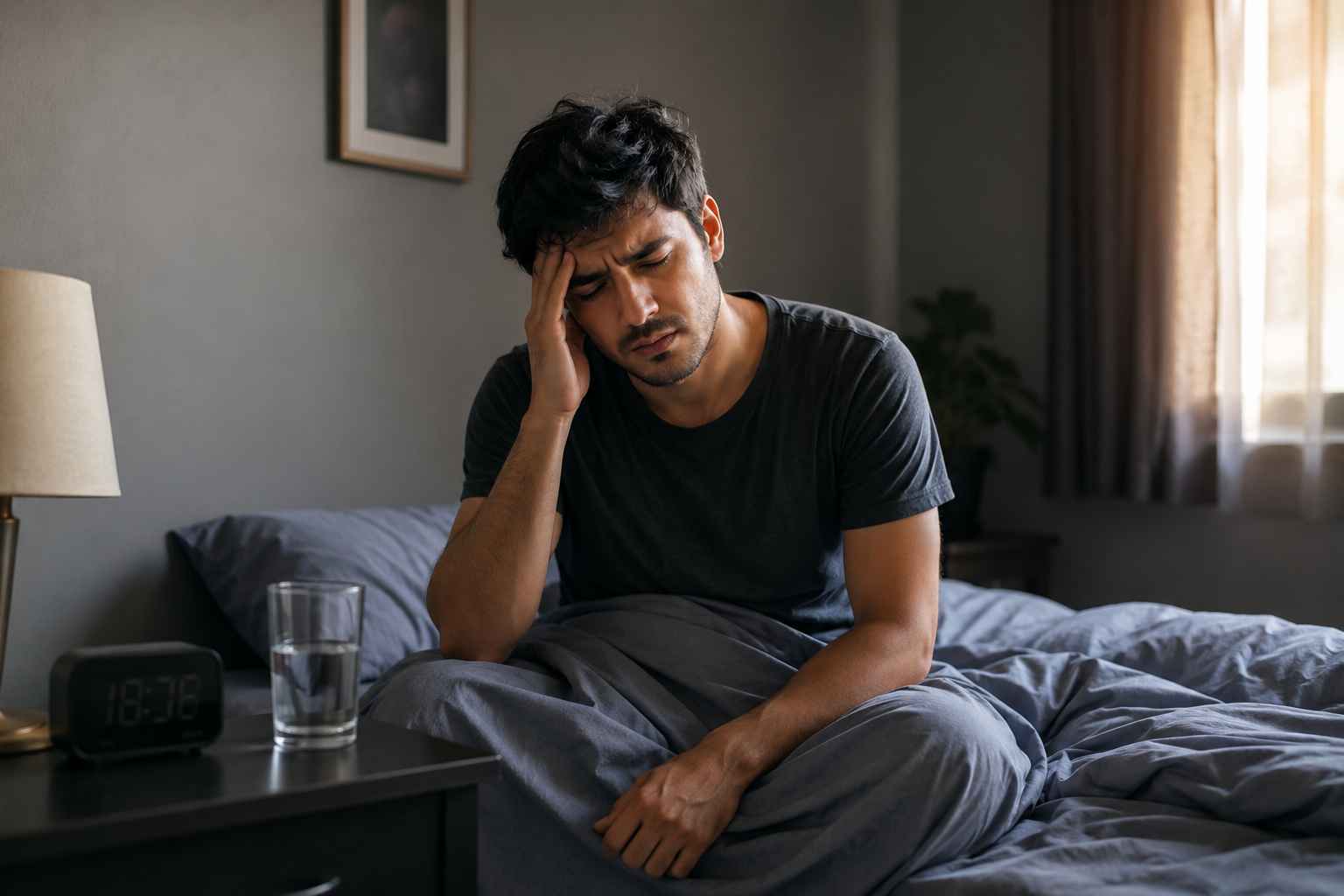
Headache After Sleeping: Causes, Symptoms and Simple Relief Tips
Many people expect to feel refreshed after taking a nap or waking up from a long sleep. However, some individuals experience headaches immediately after waking up. A headache after sleeping can be mild, moderate, or severe depending on the cause. In some cases, it may happen once in a while, while others experience it regularly.
Although most headaches after sleep are not dangerous, they can interfere with daily activities, concentration, work, or studies. Understanding the possible causes and knowing how to prevent or relieve the pain can help improve overall health and sleep quality. Read more about why you are always tired even after sleeping 8 hours a day
What Causes Headache After Sleeping?
There are several reasons someone may develop a headache after sleeping or taking a nap. Below are some of the most common causes.
1. Dehydration
One of the leading causes of headache after sleeping is dehydration. When the body lacks enough water, the brain temporarily contracts due to fluid loss, leading to pain and discomfort.
People who sleep for many hours without drinking water may wake up with headaches. Hot weather, excessive sweating, or consuming too much caffeine can also increase dehydration.
According to the Mayo Clinic, dehydration is a common trigger for headaches in both adults and teenagers.
2. Hunger or Low Blood Sugar
Skipping meals or not eating enough during the day may result in low blood sugar levels. When glucose levels drop, the brain may react by causing headaches, weakness, dizziness, or tiredness.
This is common among students, busy workers, or people who sleep without eating proper meals. Long naps without food intake may worsen the discomfort after waking up.
3. Poor Sleeping Position
Sleeping in an uncomfortable position can strain the neck muscles, shoulders, and upper back. This tension may lead to headaches after waking up.
Using a very high pillow or sleeping awkwardly on a couch or chair may contribute to muscle stiffness and pain around the head and neck.
4. Stress and Anxiety
Mental stress, anxiety, and emotional pressure can also trigger headaches during or after sleep. When the body remains tense for a long time, muscles tighten and blood vessels may react, leading to pain.
Students facing academic pressure, workers under stress, or individuals dealing with emotional issues commonly experience stress-related headaches.
5. Oversleeping
While sleep is important for good health, sleeping too much can sometimes cause headaches. Oversleeping may disrupt the body’s natural sleep rhythm and affect certain brain chemicals associated with pain regulation.
Many people experience headaches after sleeping for very long hours, especially during weekends or after periods of stress and exhaustion.
6. Sleep Disorders
Certain sleep disorders such as sleep apnea may also cause morning headaches. Sleep apnea is a condition where breathing repeatedly stops and starts during sleep.
According to the Sleep Foundation , morning headaches are common among people with untreated sleep apnea.
Common Symptoms That May Accompany the Headache
A headache after sleeping may occur with other symptoms depending on the underlying cause. Some common symptoms include:
- Dizziness
- Fatigue or weakness
- Neck pain
- Dry mouth
- Blurred vision
- Sensitivity to light
- Nausea
- Difficulty concentrating
If severe symptoms such as fainting, confusion, chest pain, or difficulty breathing occur, medical attention should be sought immediately.
Simple Ways to Relieve Headache After Sleeping
Drink Enough Water
Hydrating properly can quickly improve dehydration-related headaches. Drinking water slowly and consistently throughout the day helps maintain healthy fluid levels.
Eat a Balanced Meal
Eating healthy foods can help restore blood sugar levels and improve energy. Meals containing carbohydrates, protein, fruits, and vegetables are beneficial.
Improve Sleeping Position
Using a comfortable pillow and sleeping in a proper posture can reduce muscle strain and prevent headaches.
Reduce Stress
Relaxation techniques such as deep breathing, exercise, light stretching, and adequate rest may help lower stress levels and reduce headache frequency.
Limit Excessive Screen Time
Too much exposure to phone or computer screens can strain the eyes and worsen headaches. Taking regular breaks from screens may help reduce discomfort.
Get Regular Sleep
Maintaining a consistent sleep schedule is important for brain and body health. Experts generally recommend sleeping and waking up at similar times daily.
When Should You See a Doctor?
Although occasional headaches after sleeping are usually harmless, some situations require medical attention.
You should consult a healthcare professional if:
- The headache becomes severe or unbearable
- The pain occurs frequently
- You experience fever or vomiting
- You notice weakness or numbness
- The headache affects your daily activities
- You have a history of high blood pressure or other medical conditions
The MedlinePlus Health Library recommends seeking medical evaluation for persistent or unusual headaches.
How to Prevent Headaches After Sleeping
Prevention is often easier than treatment. Below are helpful ways to reduce the chances of waking up with headaches:
- Drink enough water daily
- Avoid skipping meals
- Sleep for moderate and healthy hours
- Use a supportive pillow
- Reduce stress levels
- Avoid excessive caffeine intake
- Create a comfortable sleeping environment
Read on How drinking enough water help the body system
Final Thoughts
A headache after sleeping can be uncomfortable and frustrating, but in many cases, it is caused by simple factors such as dehydration, hunger, stress, or poor sleeping posture. Paying attention to your body, eating properly, drinking enough water, and maintaining healthy sleep habits can help reduce the risk.
However, if the headaches become severe, frequent, or are accompanied by unusual symptoms, it is important to seek medical advice for proper diagnosis and treatment.
Good sleep should leave the body refreshed and energized. Taking care of your physical and mental health plays an important role in achieving better sleep quality and overall well-being.
