
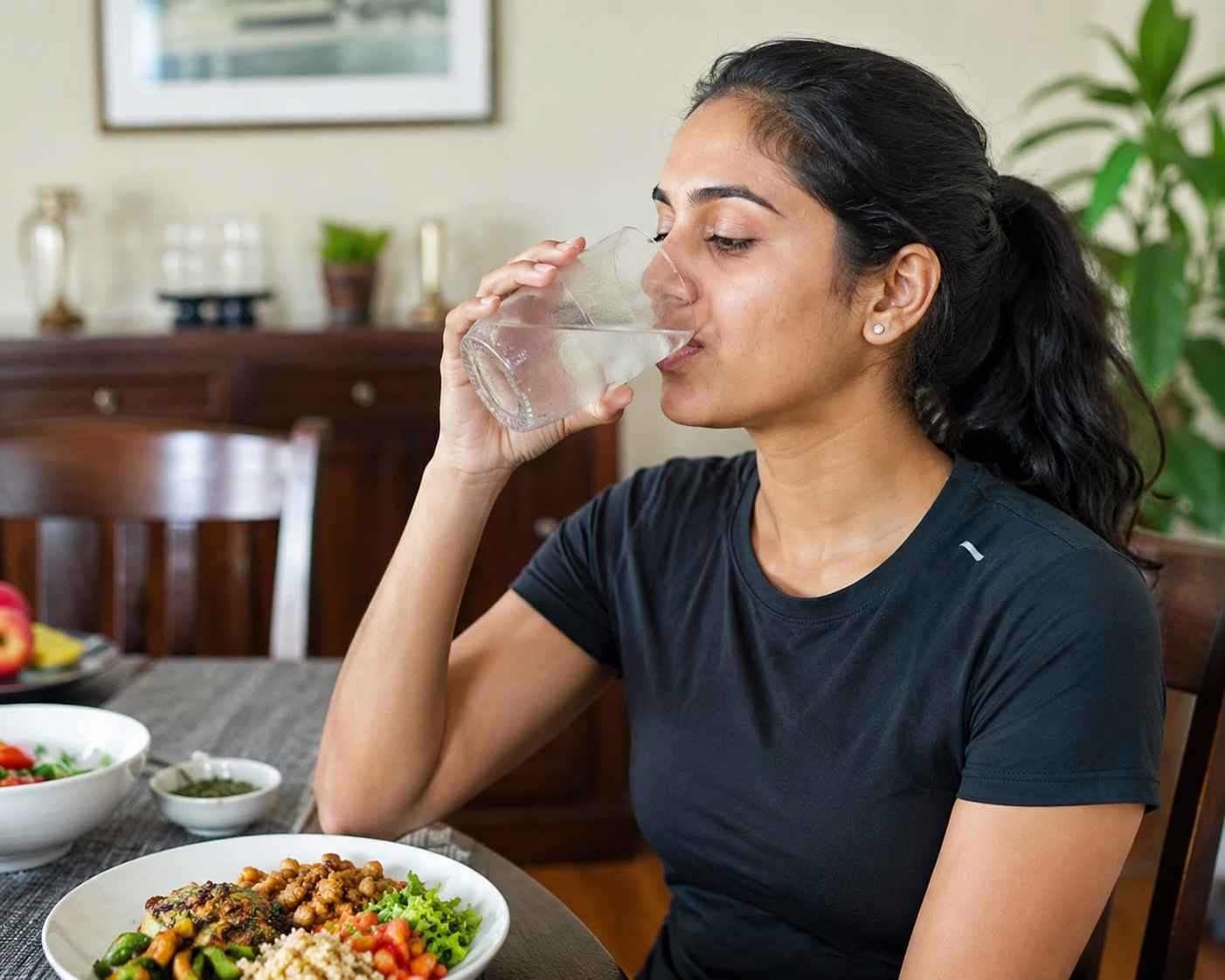
Drinking Cold Water After Meals: Harmful or Just a Myth?
Many people have heard the warning that drinking cold water immediately after eating can damage digestion, cause stomach problems, or even lead to serious health conditions. In many homes across Nigeria and other parts of the world, parents often advise children to avoid cold water after meals because they believe it “hardens food” or “slows digestion.”
But how true is this claim? Is drinking cold water after meals actually dangerous, or is it simply one of the many health myths passed down from generation to generation?
In this article, we will examine what science says about drinking cold water after meals, its possible effects on digestion, common myths, potential benefits, and the healthiest drinking habits to adopt.
Why People Believe Cold Water Is Harmful After Meals
The belief that cold water is bad after eating has existed for many years in traditional medicine and cultural practices. Some people claim that cold water:
- Solidifies oily foods in the stomach
- Slows down digestion
- Causes bloating
- Leads to stomach cramps
- Interferes with nutrient absorption
- Causes weight gain
Traditional Chinese medicine and some Ayurvedic practices often recommend warm water instead of cold water because they believe the body digests food better at warmer temperatures.
However, modern medical science does not fully support many of these claims.
What Science Says About Drinking Cold Water After Meals
According to health experts, there is little scientific evidence proving that drinking cold water after meals is harmful for healthy individuals. Read on Advantages and Disadvantages of drinking cold water
The human body is designed to regulate internal temperature efficiently. When you drink cold water, your body quickly warms it to body temperature inside the stomach. This means the water does not remain extremely cold long enough to “freeze” or “harden” food in your digestive system.
The stomach also produces strong digestive acids and enzymes that continue breaking down food regardless of the temperature of the water you drink.
Medical experts generally agree that for most people, drinking cold water after meals is safe.
Source:
https://www.healthline.com/nutrition/drinking-cold-water
Can Cold Water Slow Digestion?
Some studies suggest that cold drinks may slightly slow stomach emptying in certain people, but the effect is usually very small and temporary.
For healthy individuals, the digestive system continues functioning normally after consuming cold water. Your body automatically adjusts and maintains the correct internal temperature needed for digestion.
However, some people with digestive conditions may feel discomfort after drinking very cold beverages.
People who may experience temporary discomfort include those with:
- Acid reflux (GERD)
- Irritable bowel syndrome (IBS)
- Sensitive stomachs
- Chronic indigestion
In such cases, room-temperature or warm water may feel more comfortable. Read about the Advantages and Disadvantages of drinking hot or warm water
Common Myths About Cold Water After Meals
Myth 1: Cold Water Causes Fat to Harden
One popular claim is that cold water hardens oily food inside the stomach, making digestion difficult.
Scientifically, this is not accurate. The stomach maintains a warm internal environment and digestive acids continue breaking down fats regardless of the temperature of the water consumed.
Myth 2: Cold Water Causes Cancer
There is no scientific evidence linking cold water consumption after meals to cancer.
This is one of the most widespread internet health myths and should not be believed without credible medical evidence.
Myth 3: Warm Water Burns More Fat
Although warm water may feel soothing, there is no strong evidence proving that warm water dramatically increases fat burning compared to cold water. Explore more on Cold Vs Warm Water which best for drinking or bathing
Possible Benefits of Drinking Cold Water
Interestingly, cold water may actually provide some benefits in certain situations.
1. Helps Cool the Body
Cold water is refreshing, especially in hot weather conditions common in Nigeria. It can help reduce body temperature and improve comfort.
2. Encourages Hydration
Some people prefer the taste of cold water and may drink more fluids when water is chilled. Proper hydration is important for digestion, circulation, and overall health.
3. Helpful During Exercise
Cold water may help athletes or physically active individuals cool down after exercise.
Source:
https://www.medicalnewstoday.com/articles/325038
When Cold Water May Not Be Ideal
Although cold water is generally safe, there are situations where it may not feel comfortable.
1. Sore Throat or Flu
People with sore throats or respiratory infections sometimes feel irritation after drinking cold beverages.
2. Migraine Headaches
Very cold drinks can trigger “brain freeze” or worsen headaches in sensitive individuals.
3. Sensitive Digestion
Some individuals simply feel bloated or uncomfortable after consuming very cold drinks. In such cases, moderate or room-temperature water may be preferable.
Warm Water vs Cold Water: Which Is Better?
Both warm and cold water have their own advantages.
| Warm Water | Cold Water |
|---|---|
| May feel soothing | Very refreshing |
| Preferred during cold weather | Preferred during hot weather |
| Can relax the throat | May cool the body faster |
| Comfortable for digestion-sensitive people | Encourages hydration for some people |
Ultimately, the best option depends on personal comfort, weather, and health conditions.
Healthy Drinking Habits After Meals
Instead of worrying excessively about water temperature, experts recommend focusing on healthy hydration habits.
Good habits include:
- Drink enough water daily
- Avoid excessive sugary drinks
- Do not overeat during meals
- Eat slowly and chew properly
- Limit excessive alcohol consumption
- Maintain a balanced diet rich in fruits and vegetables
Proper hydration supports digestion regardless of whether the water is cold or warm.
What Nutrition Experts Say
Most nutritionists and medical experts agree that there is no strong scientific proof that drinking cold water after meals is dangerous for healthy individuals.
What matters most is overall hydration and maintaining healthy eating habits.
If cold water causes discomfort for you personally, it is perfectly fine to choose room-temperature or warm water instead.
Health recommendations should always be personalized because every individual’s body reacts differently.
Need Educational Guidance? Contact Alphayem Educational Consult
Aside from health awareness, education remains one of the most important investments for a successful future.
If you need help with:
- JAMB Registration
- Admission Processing
- Post-UTME Registration
- Change of Course or Institution
- Direct Entry Admission
- Private University Admission
- Study Abroad Consultation
- School Selection Guidance
Alphayem Educational Consult is one of the best places to get trusted admission guidance and educational support in Nigeria.
Call or WhatsApp: 07038543405
With proper guidance, students can avoid admission mistakes and improve their chances of gaining admission successfully.
Conclusion
The belief that drinking cold water after meals is dangerous is mostly based on tradition and myths rather than strong scientific evidence.
For most healthy people, cold water does not stop digestion, harden food, or cause major health problems. The body naturally adjusts the temperature of food and drinks inside the digestive system.
However, individuals with sensitive stomachs, acid reflux, or certain medical conditions may feel more comfortable drinking warm or room-temperature water.
At the end of the day, the most important thing is staying hydrated and maintaining healthy eating habits.
If you notice discomfort after drinking cold water, listen to your body and choose what works best for you.
