
If Your Urine Looks Like This, Go to the Hospital Immediately
Urine is one of the body’s natural ways of removing waste and toxins. Most people do not pay attention to the color or appearance of their urine unless they experience pain or discomfort. However, your urine can reveal important information about your health.
Changes in urine color, smell, thickness, or appearance may sometimes be harmless and caused by dehydration or certain foods. But in other situations, unusual urine can be an early warning sign of a serious medical condition that requires immediate attention.
Knowing when to seek medical help could save your life. In this article, we will discuss dangerous urine signs you should never ignore and the possible health conditions linked to them. Explore on: Early signs of Typhoid and Malaria
What Normal Urine Should Look Like
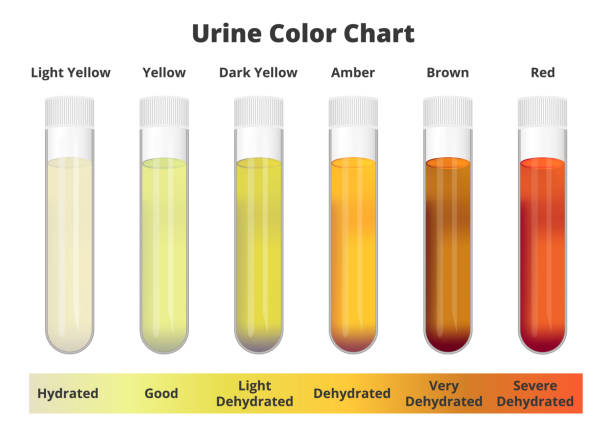
Healthy urine is usually light yellow or pale gold in color. This color comes from a substance called urochrome, which is produced when the body breaks down old blood cells.
Normal urine should:
- Be pale yellow or clear yellow
- Have little or no strong odor
- Not contain blood
- Not appear excessively foamy
- Flow without pain or burning sensation
The color may become darker if you are dehydrated or have not taken enough water.
According to the
Healthline Urine Color Guide, urine color can provide valuable clues about hydration and health conditions.
1. Red or Pink Urine
One of the most dangerous urine warning signs is red or pink urine. This may indicate the presence of blood in the urine, medically known as hematuria.
Possible Causes
- Kidney stones
- Urinary tract infections (UTIs)
- Kidney disease
- Bladder infection
- Enlarged prostate
- Cancer of the kidney or bladder
Sometimes foods like beetroot or certain medications may temporarily change urine color. However, if the redness appears suddenly or repeatedly, you should seek medical attention immediately.
When to Go to the Hospital
Go to the hospital urgently if you notice:
- Blood clots in urine
- Severe pain while urinating
- Lower back pain
- Difficulty urinating
- Fever alongside bloody urine
2. Dark Brown or Cola-Colored Urine
Dark brown urine may look like cola or tea. This is another dangerous sign that should not be ignored.
Possible Causes
- Severe dehydration
- Liver disease
- Hepatitis
- Muscle injury
- Certain medications
When the liver is unable to process waste properly, substances like bilirubin may enter the urine and cause a dark brown color.
The
Mayo Clinic states that dark urine may sometimes indicate liver or kidney problems.
Danger Signs
- Yellow eyes or skin
- Extreme weakness
- Abdominal pain
- Nausea and vomiting
- Persistent dark urine even after drinking water
3. Cloudy or Milky Urine
Cloudy urine may indicate an infection or excess minerals in the urinary tract.
Possible Causes
- Urinary tract infection (UTI)
- Kidney infection
- Sexually transmitted infections
- Kidney stones
- Excess protein in urine
Cloudy urine is often accompanied by a foul smell or painful urination.
Symptoms That Need Immediate Attention
- Burning sensation while urinating
- Fever
- Lower abdominal pain
- Frequent urge to urinate
- Pus-like particles in urine
4. Foamy or Bubbly Urine
Occasional bubbles in urine may happen naturally, especially when urinating quickly. However, persistent foamy urine may indicate excess protein in the urine.
Possible Causes
- Kidney disease
- High blood pressure
- Diabetes complications
- Kidney damage
The kidneys normally prevent protein from leaking into urine. When this happens consistently, it may suggest kidney problems.
According to the
National Kidney Foundation, protein in urine can be an early sign of kidney disease.
Warning Signs
- Swollen feet or face
- Fatigue
- Persistent foamy urine
- High blood pressure
5. Orange Urine
Orange urine may sometimes be caused by vitamins or foods, but it can also indicate dehydration or liver issues.
Possible Causes
- Dehydration
- Liver disease
- Bile duct problems
- Certain medications
If orange urine occurs with pale stool or yellow skin, medical attention is necessary.
6. Green or Blue Urine
Although rare, green or blue urine can occur due to medications, food coloring, or bacterial infections.
Possible Causes
- Certain medications
- Artificial food coloring
- Bacterial infections
- Rare genetic conditions
While not always dangerous, unusual urine colors should still be checked if they continue for several days.
7. Extremely Strong-Smelling Urine
Urine naturally has a mild smell, but extremely strong or foul-smelling urine may signal a health issue.
Possible Causes
- Urinary tract infections
- Dehydration
- Diabetes
- Liver disease
Sweet-smelling urine may sometimes occur in people with uncontrolled diabetes. Read also: 10 Common Health Mistakes young Nigeria makes
When You Should Go to the Hospital Immediately
Seek urgent medical care if you notice any of the following:
- Blood in urine
- Persistent dark brown urine
- Pain while urinating
- Fever and chills
- Swelling of the body
- Difficulty passing urine
- Foamy urine that continues for days
- Severe lower back or abdominal pain
Ignoring these symptoms may allow serious conditions to worsen.
How to Maintain Healthy Urine and Kidney Health
1. Drink Enough Water
Staying hydrated helps the kidneys remove toxins properly.
2. Reduce Excess Salt Intake
Too much salt can increase blood pressure and damage the kidneys.
3. Avoid Excessive Alcohol and Smoking
These habits can contribute to kidney and liver disease.
4. Control Blood Sugar
Diabetes is one of the leading causes of kidney problems worldwide.
5. Practice Good Hygiene
Proper hygiene reduces the risk of urinary tract infections.
Final Thoughts
Your urine can provide valuable clues about your overall health. While some urine color changes may be harmless, others may indicate dangerous medical conditions that require immediate treatment.
Red, dark brown, cloudy, or persistently foamy urine should never be ignored. Paying attention to these warning signs and seeking early medical care can help prevent severe complications.
If you notice unusual urine changes that continue for more than a short period or come with pain, fever, swelling, or weakness, visit a hospital immediately for proper diagnosis and treatment. Explore more on: Health benefits of proper hair care
