
How to Prevent Malaria: Practical Tips for Every Nigerian Household
Malaria is preventable and treatable, yet it remains one of the leading causes of illness and death in Nigeria. Each year, thousands of children, students, and adults miss school or work due to malaria. The good news is that most cases can be avoided through simple preventive measures. In this article, we will explore practical, low-cost tips that every Nigerian household can apply to stay safe from malaria.
Understanding Malaria and Its Transmission
Malaria is caused by the Plasmodium parasite, transmitted through the bites of infected female Anopheles mosquitoes. These mosquitoes are most active at night and breed in stagnant water — puddles, drums, blocked gutters, and discarded containers. This means that malaria prevention starts from our immediate environment. Eliminating mosquito breeding sites and protecting ourselves from bites can drastically reduce infections.
1. Sleep Under a Long-Lasting Insecticidal Net (LLIN)
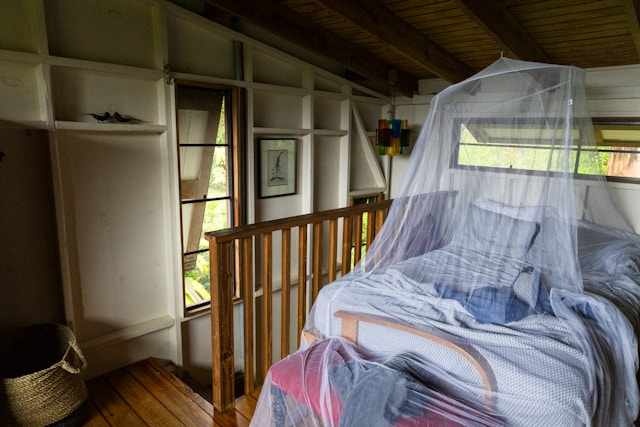
One of the most effective ways to prevent malaria in Nigeria is to sleep under insecticide-treated nets. These nets kill mosquitoes on contact and provide all-night protection. Ensure the net is properly hung, not torn, and tucked under the mattress each night. Replace damaged or old nets every two to three years for maximum protection.
Parents should also make it a habit to check that children and pregnant women sleep under nets daily. Many health centers and government programs distribute LLINs free of charge. You can inquire at your local health post or during immunization visits.
2. Clear Stagnant Water and Keep the Environment Clean
Since mosquitoes breed in still water, it’s essential to remove all potential breeding sites around your home and neighborhood. Here’s what to do every weekend:
- Empty and scrub water containers not in use.
- Cover buckets and tanks with tight-fitting lids.
- Dispose of old tyres, cans, and bottles that collect water.
- Clean gutters regularly to allow free water flow.
A clean environment not only reduces malaria but also improves overall hygiene and helps prevent other diseases like cholera and typhoid.
3. Install Window and Door Screens
Screening windows and doors with fine mesh is another smart way to reduce mosquito entry. This method is long-term and requires minimal maintenance. If full screening is costly, you can start with bedrooms and children’s sleeping areas first. In addition, close doors early in the evening to prevent mosquitoes from flying in.
4. Use Mosquito Repellents and Indoor Sprays
Mosquito repellents, coils, and sprays provide extra protection — especially when you’re outdoors or during the early evening before bedtime. Apply repellents with approved ingredients like DEET or picaridin to exposed skin. However, avoid using coils or sprays in closed rooms with infants or pregnant women, as they can cause irritation or breathing issues. Always read and follow safety instructions on the product label.
5. Recognize Malaria Symptoms Early
Even with prevention, exposure can still occur. Early recognition and testing make treatment faster and safer. The common symptoms of malaria include:
- High fever and chills
- Headache and body pain
- Fatigue and weakness
- Nausea or vomiting
If anyone in your home develops these symptoms, visit a nearby health center for a malaria test immediately. Do not self-medicate — using leftover or unprescribed drugs can cause resistance and make treatment more difficult in the future.
6. Protect Pregnant Women and Children
Pregnant women and children under five are at the highest risk of severe malaria. Pregnant women should attend antenatal care regularly and receive the recommended doses of Intermittent Preventive Treatment in Pregnancy (IPTp). Children should always sleep under nets and be taken for prompt testing at the first sign of fever.
7. Community Effort and School Involvement
Malaria prevention should not stop at home. Schools and communities can make a big difference. Organize sanitation days to clean the surroundings and clear blocked drainage. School health clubs can educate students on malaria prevention, ensuring that the message spreads beyond classrooms to their families.
In tertiary institutions and secondary schools, malaria can cause poor attendance and low academic performance. Therefore, it’s vital for school authorities to provide treated nets in hostels and encourage routine environmental cleaning.
8. Travel and Seasonal Awareness
Malaria risk varies with seasons and locations. During rainy seasons, mosquito breeding increases, and so does malaria transmission. If you are traveling to high-risk areas or villages, carry treated nets and repellents. Students traveling for NYSC, university studies, or holidays should be aware of the malaria risk at their destination and take preventive measures accordingly.
9. Seek Prompt and Complete Treatment
When malaria is confirmed, complete the full treatment as prescribed by the health professional. Stopping halfway because you feel better can cause relapse or drug resistance. For severe cases — especially when there is vomiting, convulsion, or loss of consciousness — go to the hospital immediately. Delay in treatment can lead to life-threatening complications.
10. Government and Partner Efforts
In Nigeria, agencies like the Nigeria Centre for Disease Control (NCDC) and the World Health Organization (WHO) work with states to distribute free nets, carry out spraying campaigns, and educate the public. However, success depends on how well communities cooperate. Everyone has a role to play in keeping the environment clean and ensuring consistent net use.
11. Weekly Family Malaria Prevention Checklist
- All family members sleep under a treated mosquito net.
- No stagnant water around the compound.
- Windows and doors are screened or closed before dusk.
- Repellents available for outdoor evenings.
- All fevers tested within 24 hours at a clinic.
Conclusion
Malaria prevention begins at home. Every small effort — clearing gutters, using mosquito nets, and getting tested quickly — saves lives. By working together, Nigerian families, schools, and communities can drastically reduce malaria cases and improve the nation’s health. Prevention costs far less than treatment, and it starts with you today.
Related Posts:
- The Health Dangers of Self-Medication in Nigeria
- How Poor Sanitation is Affecting Students’ Health in Nigerian Schools
- Contact Alphayem for Health and Admission Updates
Written by Alphayem Health Desk — promoting healthy living and education for every Nigerian family.

References:
Video slot machines 888-casino-website.online-spielhallen.de
References:
Kostenlose Spielautomaten no deposit bonus 10 euro
References:
Orleans casino las vegas https://tsnasia.com/employer/best-payid-casinos-australia-2026-for-quick-withdrawals
References:
3d roulette https://kluge-koepfe-krefeld.de/