
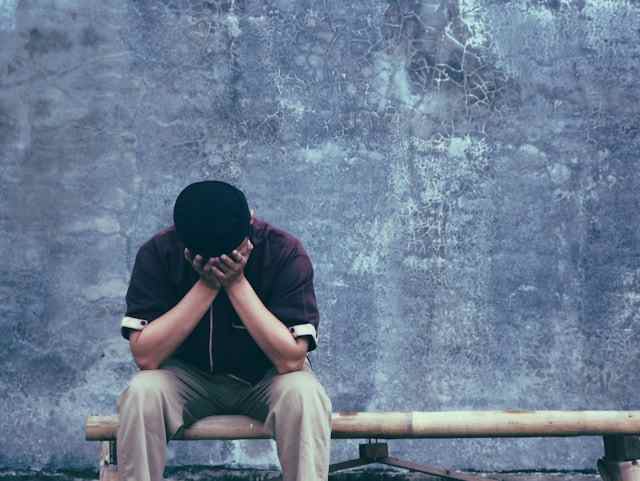
Causes of Depression in School: Understanding Why Students Break Down Emotionally
Depression among students has become a rising concern in both primary and secondary schools across Nigeria. Many young people are silently dealing with emotional stress that affects their learning ability, behaviour, and overall wellbeing. Sadly, some parents and teachers interpret the early signs as stubbornness, laziness, or poor character, instead of recognising that a student may be struggling with mental health challenges. Understanding the causes of depression in school is the first step toward helping students remain mentally stable and academically productive.
Depression does not always start suddenly. It often develops from different pressures that build up over time — from academic stress to family issues, bullying, financial struggles, and even personal insecurities. The school environment plays a major role in either supporting or weakening a child’s mental health. Below are the major causes of depression among students and what teachers, parents, and schools must know.
1. Heavy Academic Pressure and Overwhelming Workload
One of the biggest causes of depression in school is academic pressure. Students today face a lot of expectations, such as passing WAEC, NECO, JAMB, school exams, and continuous assessments. Many parents unknowingly push their children beyond their emotional capacity, demanding high grades without considering their mental struggle.
Some schools also have tight academic calendars that leave little room for rest or recreation. When a child constantly worries about failing, disappointing parents, or being compared with others, they may begin to feel hopeless, anxious, or mentally exhausted. Over time, this emotional burden can turn into depression.
2. Bullying, Stigma and Social Isolation
Bullying — whether face-to-face or online — destroys self-esteem. Students who are constantly mocked, insulted, beaten, or excluded by classmates often lose confidence. They begin to feel unsafe in school and may dread attending classes. Cyberbullying has also worsened the situation because a child can be attacked anonymously on WhatsApp, Instagram or Facebook.
Even small things like body shaming, tribal comments, or academic ridicule can emotionally damage a student. Social isolation also plays a role. Students who have no close friends or who struggle to fit in often feel lonely and rejected, which increases the risk of depression.
3. Family Problems and Emotional Instability at Home
Many students carry emotional stress from home directly into the classroom. Issues such as parental divorce, domestic violence, constant arguments, poverty, the death of a parent, and even neglect create a heavy emotional load. Children naturally absorb the atmosphere around them, and when the home becomes a place of fear or sadness, their mental health suffers.
Students dealing with loss, grief, or financial instability sometimes struggle to concentrate in school. Depression may set in when they feel helpless, unsupported, or ashamed of their family situation.
4. Harsh School Environment and Negative Teacher Attitude
The relationship between a student and a teacher can determine whether the student feels safe or stressed. Some teachers insult, shout, or embarrass students, believing it will motivate them. But in reality, these behaviours create fear, anxiety, and emotional imbalance.
A hostile school environment — including too much punishment, lack of encouragement, overcrowded classrooms, or teachers showing favouritism — can slowly push a student into depression. Every child needs a supportive learning space where mistakes are corrected with patience and empathy.
5. Low Self-Esteem and Identity Crisis
During adolescence, students begin to question their identity, appearance, talent, and value. When they feel inferior to their peers, unsuccessful, unattractive, or unappreciated, they may develop low self-esteem. Comparing themselves to classmates who are doing better academically, socially, or financially worsens the emotional pressure.
Low self-esteem affects the student’s confidence, behaviour, and willingness to participate in school activities. Over time, this internal struggle may develop into depression.
6. Poor Physical Health, Lack of Sleep, and Stress
Many students, especially boarding school students, do not get enough sleep. Early morning classes, late-night reading, school chores, and stress affect their physical and mental wellbeing. Poor nutrition, hunger, untreated illnesses, and constant tiredness also affect the brain’s ability to regulate emotions.
Health and mental stability go hand-in-hand. When a student’s body is weak, the mind becomes more vulnerable to sadness, frustration, and depressive thoughts.
7. Trauma and Exposure to Violence
Students who have experienced trauma — such as abuse, rape, assault, or domestic violence — often show signs of depression. Even witnessing violence in the community or at home can leave a deep emotional mark. Trauma changes the way the brain reacts to stress, causing fear, sadness, withdrawal, and reduced concentration in school.
Without early intervention, trauma-based depression can worsen as the child grows older.
8. Peer Pressure, Social Influence and Wrong Associations
Peer pressure pushes students into behaviours they may regret: substance abuse, stealing, cult-like groups, cheating in exams, or immoral relationships. When these actions lead to trouble, shame or guilt, the student may fall into depression. Trying too hard to fit into a group often makes students lose their sense of identity and emotional balance.
9. Financial Hardship and Insecurity
Some students come to school without money for lunch, transport, textbooks or uniforms. They fear being embarrassed or sent home. Constant worry about fees or basic needs increases stress. Students from low-income families may feel inferior to wealthier classmates, which affects their confidence and motivation.
10. Lack of Support Systems
Not every school has a guidance counsellor. Many parents are busy or emotionally unavailable. Teachers may be overwhelmed. Without someone to talk to, students bury their emotions inside. Emotional isolation increases the risk of depression, especially when combined with academic or social pressure.
How to Identify Depression in a Student
Here are signs that a student may be depressed:
- Loss of interest in school activities
- Sudden drop in grades
- Persistent sadness, crying, or irritability
- Withdrawal from friends or family
- Changes in sleep or eating habits
- Frequent headaches or body pains
- Talking about giving up or feeling hopeless
What Parents and Schools Can Do
Parents should spend time talking with their children, reduce pressure, create a peaceful home environment, and encourage healthy sleep and nutrition. Schools should implement anti-bullying policies, offer counselling, train teachers to recognize mental health signals, and create a supportive classroom environment.
For more tips on health and wellbeing, visit our Health Section or reach us through our Contact Page.
Useful Resources:
