
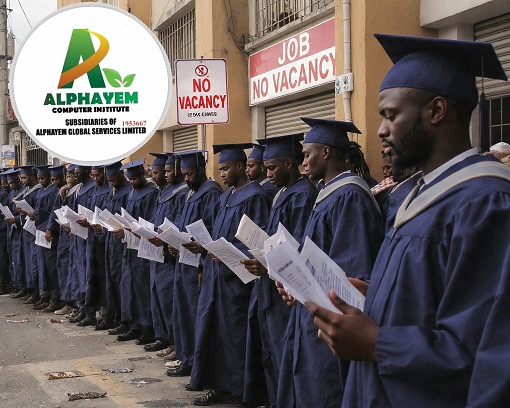
Why Many Nigerian Students Graduate Without Jobs
Every year, thousands of students graduate from universities, polytechnics, and colleges across Nigeria with high hopes of securing good jobs and building successful careers. Unfortunately, many of these graduates spend years searching for employment without success. Graduate unemployment has become one of the biggest challenges facing Nigeria today.
Despite earning degrees and certificates, many Nigerian graduates struggle to meet the demands of the modern job market. Some eventually abandon their professional dreams, while others settle for jobs unrelated to their fields of study. The situation has created frustration among young people and increased economic hardship in the country.
In this article, we will examine the major reasons why many Nigerian students graduate without jobs, the effects of unemployment on society, and possible solutions that can help students become more employable after graduation.
1. Lack of Practical Skills
One of the biggest reasons many Nigerian graduates remain unemployed is the lack of practical and employable skills. Many higher institutions focus heavily on theoretical learning while giving little attention to hands-on training.
As a result, graduates often leave school with certificates but without the practical experience employers are looking for. Companies today want workers who can solve problems, use technology, communicate effectively, and adapt quickly to workplace challenges.
For example, many Computer Science graduates may finish school without strong programming skills, while some Mass Communication graduates may lack digital media experience. This gap between classroom education and industry demands makes it difficult for graduates to compete in the labor market.
According to the International Labour Organization (ILO), skills mismatch is one of the major contributors to youth unemployment in developing countries.
2. Overdependence on White-Collar Jobs
Many Nigerian students grow up believing that success only comes from getting office jobs after graduation. As a result, graduates focus mainly on government jobs, bank jobs, oil companies, or other white-collar employment opportunities.
Unfortunately, the number of graduates entering the labor market every year is far greater than the available formal jobs. This creates intense competition, leaving many graduates unemployed.
Some graduates ignore entrepreneurship, vocational skills, agriculture, freelancing, and digital opportunities because they believe such careers are inferior. Meanwhile, the global economy is changing rapidly, and self-employment is becoming increasingly important.
Students who learn additional skills such as graphic design, software development, digital marketing, video editing, or content creation often have better opportunities to earn income independently.
3. Poor Quality of Education
The quality of education in some Nigerian institutions remains a serious concern. Issues such as outdated curricula, poor infrastructure, inadequate laboratories, and frequent strikes affect the quality of graduates produced yearly.
In some schools, students learn using outdated materials that no longer reflect modern workplace realities. Employers often complain that some graduates are not adequately prepared for professional environments.
Frequent strikes by educational unions also disrupt academic calendars, causing students to spend extra years in school without acquiring relevant skills.
The United Nations Educational, Scientific and Cultural Organization (UNESCO) has repeatedly emphasized the importance of improving educational quality and technical training in developing nations.
4. Lack of Career Guidance
Many students enter universities without proper career counseling or understanding of job market realities. Some choose courses because of family pressure, societal influence, or assumptions about prestige rather than genuine interest or career opportunities.
As a result, many graduates finish school only to realize that their chosen field has limited job opportunities or requires additional certifications and training.
Career guidance is important because it helps students:
- Understand labor market trends
- Choose relevant courses
- Develop career goals early
- Build employability skills
- Prepare for future opportunities
Unfortunately, career counseling services are still weak or absent in many Nigerian secondary schools and tertiary institutions.
5. Rapid Increase in Graduate Population
Nigeria’s population continues to grow rapidly, and more students are gaining access to higher education every year. While this is positive in some ways, the economy has not expanded fast enough to create sufficient jobs for graduates.
Thousands of graduates compete for limited positions, making unemployment worse. In some recruitment exercises, companies receive tens of thousands of applications for only a few available vacancies.
This imbalance between graduate supply and job availability has made the labor market extremely competitive.
According to the World Bank, youth unemployment remains one of the major economic challenges affecting Nigeria and several African countries. Read also: Ultimate guide to gaining admission in Nigeria
6. Lack of Work Experience
Many employers prefer candidates with work experience, even for entry-level positions. Unfortunately, most graduates struggle to gain experience while in school.
Industrial training programs and internships are often poorly managed or unavailable. Some students complete their SIWES or industrial attachment without meaningful exposure to real workplace activities.
Graduates who participated in internships, volunteer work, campus leadership, freelancing, or online projects during school usually have stronger resumes and better chances of employment.
Students should begin building experience before graduation rather than waiting until after completing their studies.
7. Corruption and Nepotism
Another factor contributing to graduate unemployment in Nigeria is corruption and favoritism in recruitment processes. In some organizations, jobs are given based on connections, recommendations, or financial influence instead of merit.
This discourages many qualified graduates who may not have powerful contacts or financial resources. Nepotism reduces fairness and limits opportunities for talented young people.
Transparent recruitment systems based on competence and qualifications are necessary to improve trust and create equal opportunities for graduates.
8. Poor Digital and Technology Skills
The world is becoming increasingly digital, and many jobs now require technological knowledge. Unfortunately, some Nigerian graduates lack basic digital skills needed in today’s workplace.
Many employers expect workers to understand:
- Computer operations
- Internet research
- Microsoft Office tools
- Digital communication
- Online collaboration platforms
- Data management
Graduates who fail to develop digital skills often struggle in the modern job market. Learning online skills and technology-related courses can greatly improve employability.
The Effects of Graduate Unemployment
Graduate unemployment has serious consequences for individuals and society. Some of the major effects include:
- Increased poverty
- Depression and frustration
- Higher crime rates
- Brain drain and migration
- Low economic productivity
- Loss of confidence in education
When educated young people remain unemployed for long periods, it affects national development and social stability. How to get full Scholarship to study in Europe
Possible Solutions to Graduate Unemployment
Solving graduate unemployment requires efforts from students, institutions, government, and private organizations.
Students Should:
- Learn practical and digital skills
- Participate in internships
- Develop entrepreneurial mindsets
- Take online courses and certifications
- Build professional networks early
Schools Should:
- Update curricula regularly
- Improve practical training
- Strengthen career counseling services
- Partner with industries
- Encourage innovation and entrepreneurship
Government Should:
- Create more economic opportunities
- Support small businesses and startups
- Invest in education infrastructure
- Reduce corruption in recruitment
- Promote vocational and technical education
How Educational Consultants Can Help
Educational guidance is becoming increasingly important in Nigeria. Many students need proper advice on course selection, admission processes, career planning, and skill development.
Alphayem Educational Consult provides educational guidance and admission support for students seeking better academic and career opportunities. Students and parents can seek professional educational consultation and admission assistance by contacting 07038543405.
Conclusion
The problem of graduate unemployment in Nigeria is caused by several factors, including poor practical training, lack of skills, weak career guidance, economic challenges, and corruption in recruitment systems.
While obtaining a university degree remains important, students must understand that certificates alone are no longer enough in today’s competitive world. Graduates who combine education with practical skills, technology knowledge, entrepreneurship, and work experience are more likely to succeed.
Nigeria’s future depends heavily on how effectively the country prepares young people for the realities of the modern economy. By improving education quality and encouraging skill development, the nation can reduce unemployment and create better opportunities for graduates.
