
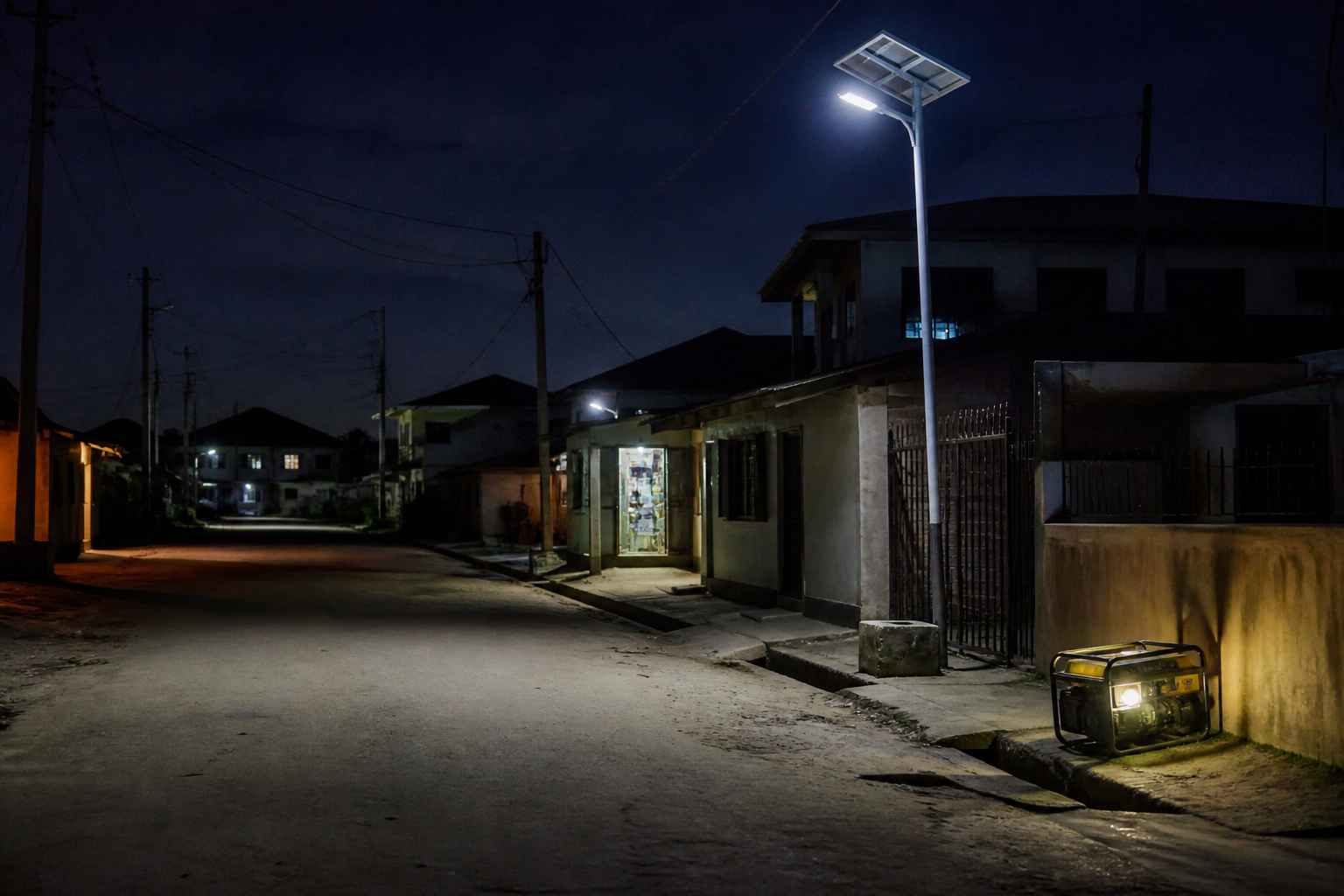
Why Nigeria Still Suffers Poor Electricity Supply Despite Supplying Power to Other Countries
Electricity has remained one of the biggest challenges facing millions of Nigerians for decades.
In many communities across the country, residents struggle daily with unstable electricity supply,
constant blackouts, and poor power distribution. For some Nigerians, enjoying just five hours of
steady electricity in a day has become something to celebrate.
This situation has forced households, students, business owners, schools, and institutions to spend
huge amounts of money on generators, fuel, solar panels, inverters, and lithium batteries simply to survive.
One common question many Nigerians continue to ask is:
“If Nigeria supplies electricity to countries like Benin, Niger, and Togo, why are Nigerians still suffering from poor electricity supply?”
This article explains the real reasons behind Nigeria’s electricity crisis and why neighboring countries sometimes appear to enjoy better electricity supply than Nigeria itself. Read about History of Nigeria presidents since independence
Is Nigeria the Only Country With Electricity Problems?
No. Nigeria is not the only country experiencing electricity challenges. Several countries around the world
have faced power shortages, blackouts, and unstable electricity supply at different times.
For example, South Africa has struggled with load shedding for years due to issues affecting its national
power utility company. Some countries in Asia and Latin America also experience occasional blackouts and
power interruptions.
However, the major difference is that Nigeria’s electricity problem has lasted for many years and affects
a very large population daily.
With a population exceeding 200 million people, the pressure on Nigeria’s power sector is extremely high.
The Major Reasons Behind Poor Electricity Supply in Nigeria
1. Inadequate Power Generation
One of the biggest problems in Nigeria’s electricity sector is insufficient power generation.
Nigeria simply does not generate enough electricity to meet the needs of its massive population.
Experts have repeatedly stated that the amount of electricity generated in Nigeria is far below what is needed
to power homes, schools, hospitals, offices, factories, and industries nationwide.
Even when power plants operate effectively, the available electricity is still not enough for the country’s demand.
Read more about Nigeria’s electricity generation challenges from the
Nigeria Electricity Hub.
2. Weak Transmission Infrastructure
Electricity generated in power plants still needs to be transmitted across the country through transmission lines
before reaching homes and businesses.
Unfortunately, Nigeria’s transmission infrastructure remains weak, outdated, and overstretched.
This is one reason why the country occasionally experiences national grid collapses, leading to widespread blackouts.
In many cases, electricity that is generated cannot even be effectively transmitted because of damaged facilities,
poor maintenance, and insufficient infrastructure.
3. Poor Distribution System
Another major challenge is electricity distribution.
Even when electricity successfully passes through the transmission stage, many communities still experience poor supply
because distribution companies struggle with faulty transformers, overloaded feeders, damaged cables, and poor infrastructure.
Some Nigerians also complain about estimated billing despite receiving little or no electricity.
You can learn more about Nigeria’s power distribution companies via the
Nigerian Electricity Regulatory Commission (NERC).
4. Vandalism and Electricity Theft
Power infrastructure vandalism has become another serious issue affecting electricity supply in Nigeria.
Transmission towers, transformers, and electrical cables are sometimes vandalized or stolen, affecting entire communities.
Illegal electricity connections and power theft also reduce efficiency in the system and contribute to financial losses within the power sector.
5. Gas Supply Challenges
Many Nigerian power plants depend heavily on gas to generate electricity.
Whenever there are gas shortages, pipeline vandalism, or supply disruptions, electricity generation drops significantly.
This directly affects the amount of power available on the national grid.
6. Rapid Population Growth
Nigeria’s population continues to grow rapidly every year, increasing electricity demand across the country.
Unfortunately, infrastructure development has not expanded fast enough to match the increasing demand for power.
As more people move into urban areas and industries expand, the pressure on the national grid becomes even greater.
Does Nigeria Really Supply Electricity to Other Countries?
Yes. Nigeria exports some electricity to neighboring West African countries through regional electricity agreements.
Countries connected to these arrangements include:
- Benin Republic
- Niger Republic
- Togo
These electricity exports are part of regional cooperation within the West African power pool system.
However, this does not mean Nigeria is giving away all its electricity while Nigerians remain in darkness.
The amount exported is usually a portion of total generation and is based on existing international agreements and contracts.
More information about the West African Power Pool can be found on the
ECOWAS Regional Electricity Market website.
Why Do Some Neighboring Countries Seem to Enjoy Better Electricity?
Many Nigerians believe neighboring countries enjoy more stable electricity than Nigeria. While this may appear true in some areas, there are several reasons behind it.
1. Smaller Population
Countries like Benin and Togo have much smaller populations compared to Nigeria.
Supplying electricity to smaller populations is easier than serving over 200 million people spread across thousands of communities.
2. Lower Electricity Demand
Nigeria has significantly higher electricity demand because of its large population, industries, businesses, schools, and commercial activities.
The demand for electricity in Nigeria is far greater than in many neighboring countries.
3. Easier Grid Management
Managing electricity distribution across a smaller country is usually easier than managing an extremely large and complex national grid like Nigeria’s.
4. Multiple Sources of Power
Some neighboring countries import electricity from multiple countries in addition to their own local generation systems.
How Nigerians Are Coping With Poor Electricity Supply
Due to the persistent electricity crisis, many Nigerians have turned to alternative power solutions.
Today, solar energy systems are becoming increasingly popular across the country.
Many homes and businesses now rely on:
- Solar panels
- Inverters
- Lithium batteries
- Generators
- Hybrid power systems
Students especially depend on these solutions for studying, charging devices, and accessing online educational materials.
Businesses also invest heavily in alternative power to reduce losses caused by unstable electricity.
Read more about renewable energy opportunities in Nigeria on the
International Energy Agency (IEA).
Can Nigeria Solve Its Electricity Problems?
Yes. Nigeria has the resources and potential to improve electricity supply significantly.
Experts believe that with proper investment, policy implementation, infrastructure upgrades, and improved management, Nigeria can achieve stable electricity supply over time. Read also: On and Off Campus which is better in Nigeria Institution
Some important steps include:
- Upgrading transmission infrastructure
- Increasing power generation capacity
- Expanding renewable energy projects
- Reducing corruption and inefficiency
- Improving electricity distribution systems
- Combating vandalism and electricity theft
Renewable energy, especially solar power, is also expected to play a major role in improving electricity access across Nigeria in the future.
Conclusion
Nigeria’s electricity challenges remain one of the country’s biggest developmental problems.
Although Nigeria exports some electricity to neighboring countries under regional agreements, the country still struggles with inadequate power generation, poor infrastructure, weak transmission systems, and rising electricity demand.
For millions of Nigerians, unstable electricity supply continues to affect education, businesses, healthcare, and everyday life.
As a result, many citizens now rely heavily on generators, solar panels, inverters, and lithium battery systems to survive the ongoing power crisis.
Despite the current challenges, many Nigerians remain hopeful that improvements in infrastructure, investment, and renewable energy development will eventually lead to more stable electricity supply nationwide.
