Lagos Environmental Sanitation Resumes April 25: New Rules, Restrictions and Penalties Explained
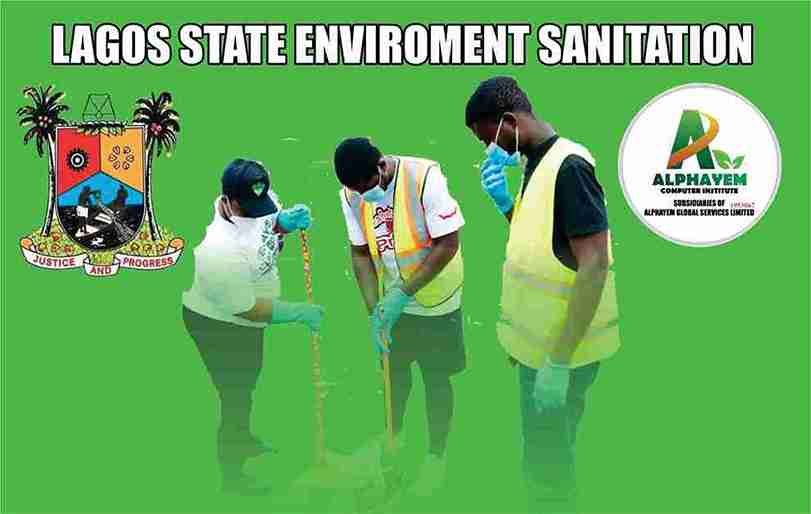
The Lagos State Government has officially reinstated the monthly environmental sanitation exercise, starting from Saturday, April 25, 2026. This development marks a significant return to structured sanitation practices aimed at improving cleanliness, reducing flooding, and promoting public health across the state.
For students, residents, and business owners across Lagos, this policy introduces a renewed obligation to participate actively in maintaining a clean environment. It also comes with stricter enforcement measures and penalties for non-compliance.
Background: Why Lagos Reintroduced Environmental Sanitation
Environmental sanitation used to be a regular exercise in Lagos and across Nigeria, but it was discontinued years ago. However, due to increasing environmental challenges such as blocked drainage systems, flooding, and poor waste management, the government has deemed it necessary to bring it back.
According to reports from
Punch Newspaper,
the government emphasized that the move is part of a broader strategy to restore environmental discipline and improve public hygiene.
In recent years, Lagos has experienced severe flooding during the rainy season, often caused by clogged drainage systems filled with waste. The sanitation exercise is expected to significantly reduce these incidents if residents cooperate fully.
When Will the Sanitation Exercise Hold?
The sanitation exercise will now take place on the last Saturday of every month. The official time is between 6:30 AM and 8:30 AM.
During these hours, residents are expected to remain within their neighborhoods and actively engage in cleaning activities. The timing is structured to allow people to resume their normal activities after the exercise.
Movement Restrictions During Sanitation Hours
One of the most notable aspects of the reintroduced sanitation exercise is the restriction of movement. During the designated sanitation hours:
- Unnecessary movement is prohibited
- Commercial activities are suspended
- Public transportation is limited or unavailable
- Residents are expected to stay within their immediate environment
This measure ensures that individuals focus on cleaning their surroundings rather than engaging in normal daily activities. Security agencies and enforcement officers will be stationed at key points to monitor compliance.
It is important for students and workers to plan their schedules ahead of sanitation days to avoid unnecessary confrontation with enforcement officers.
Mandatory Participation: What Residents Must Do
The sanitation exercise is not optional. Every resident is expected to participate actively. Key responsibilities include:
- Sweeping compounds and surroundings
- Clearing gutters and drainage systems
- Properly bagging waste for collection
- Ensuring their immediate environment is clean
Students living in hostels or off-campus accommodations are equally expected to comply. Landlords and caretakers are also responsible for ensuring that their properties meet sanitation standards.
Ignoring sanitation responsibilities can lead to environmental hazards such as mosquito breeding, bad odor, and disease outbreaks, which affect everyone in the community.
Role of Government Agencies
Several government agencies will be actively involved in monitoring and enforcing compliance. These include:
- Lagos Waste Management Authority (LAWMA)
- Kick Against Indiscipline (KAI)
- Lagos State Environmental Protection Agency (LASEPA)
- Local Government Environmental Health Officers
These agencies will conduct inspections, monitor activities, and ensure that residents comply with the sanitation regulations. Offenders may be arrested on the spot or issued fines depending on the level of violation.
More details about waste management can be found on the official LAWMA website:
https://lawma.gov.ng
Strict Penalties for Violators
The Lagos State Government has made it clear that enforcement will be stricter than before. Residents who fail to comply with sanitation laws may face severe consequences.
- Illegal dumping of waste can attract fines up to ₦250,000 or possible imprisonment
- Open defecation or urination may result in fines of about ₦40,000 or jail time
- Failure to participate in sanitation may lead to arrest or prosecution
According to
The Guardian Nigeria,
the government is determined to enforce environmental laws to the fullest.
This stricter enforcement is intended to instill discipline and ensure that all residents take responsibility for their environment.
Waste Disposal and Collection
After the sanitation exercise, waste collected by residents will be handled by LAWMA and other approved waste operators. Residents are advised to:
- Use proper waste bags
- Avoid dumping refuse in drainage systems
- Follow approved waste disposal methods
Improper waste disposal remains one of the major causes of flooding in Lagos, especially during the rainy season. Proper waste handling will go a long way in solving this issue.
Practical Tips to Stay Compliant
To avoid penalties and stay on the safe side, residents can follow these simple tips:
- Wake up early and start cleaning before inspections begin
- Work together with neighbors to clean shared spaces
- Keep waste in sealed bags for easy collection
- Avoid arguments with enforcement officers
- Stay indoors if you have no reason to move around
Preparation and cooperation are key to making the sanitation exercise smooth and stress-free.
Why This Matters to Students
For students across Lagos institutions, including universities, polytechnics, and colleges of education, this policy is particularly important. Many students live in shared accommodations where sanitation can easily be neglected.
Failure to comply may not only lead to penalties but could also affect the general living conditions within student communities.
Campus associations and landlords are encouraged to organize group sanitation efforts to ensure compliance and maintain cleanliness.
Benefits of the Sanitation Exercise
The reintroduction of environmental sanitation comes with several benefits:
- Reduction in flooding caused by blocked drainage
- Improved public health and reduced disease outbreaks
- Cleaner and more organized communities
- Increased environmental awareness among residents
Ultimately, this initiative aims to make Lagos a cleaner and more livable city for everyone.
Read also: Student cohabitation in higher institution
Final Thoughts
The return of the Lagos environmental sanitation exercise is a significant step toward restoring environmental discipline in the state. While the rules may seem strict, they are necessary for addressing long-standing environmental challenges.
Residents, especially students, are advised to take the exercise seriously, comply with the regulations, and contribute positively to maintaining a clean environment.
As the first exercise begins on April 25, 2026, everyone is encouraged to prepare accordingly and avoid unnecessary movement during the sanitation period.
Staying informed and compliant will not only help you avoid penalties but also contribute to a healthier and safer Lagos.
In the long run, consistent participation in environmental sanitation will help build a culture of cleanliness and responsibility that benefits everyone living in Lagos State.

References:
Casino campione d’italia https://live-casino-germany.online-spielhallen.de
References:
Ozwin Casino Gratis Casino Bonus ohne Einzahlung
References:
Pachislo slot machine https://rentry.co/71537-best-payid-casinos-in-australia-for-2026-play-payid-pokies
References:
Moncton nb weather https://fairytalescreation.com/node/30870